




First Prize
Redefining Global Healthcare by Ajisafe Damilola Ifeoluwa, University of Ilorin

Second Prize #1
Ecovironment by Foday David Kamara, African Leadership University
Second Prize #2
AGASA: Algae for Sustainable Action by Adnan Hasyim Wibowo Universitas Indonesia
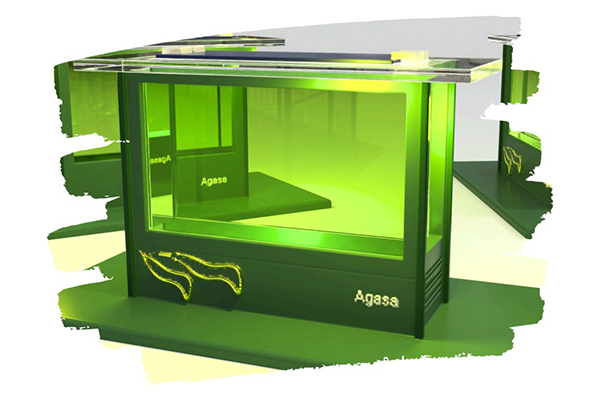
AGASA is a photobioreactor system engineered to address the challenges of urban decarbonization and energy transition by leveraging the high carbon sequestration capability of microalgae, which can absorb CO2 up to 50 times more efficiently than terrestrial plants while simultaneously producing oxygen and biomass for further utilization. AGASA is designed for high-emission zones, such as industrial complexes and congested urban centers. The photobioreactor utilizes glass installations to cultivate microalgae, which continuously perform photosynthesis, capturing carbon dioxide and releasing oxygen. The harvested algae biomass can be processed into biofuels, bioplastics, and other valuable bioproducts, contributing to a circular bioeconomy while reducing dependency on fossil-based materials. Integration with solar panels enables the system to generate renewable energy to power essential urban infrastructure such as street lighting, water pumps, and air purification units.
Public Vote Prize
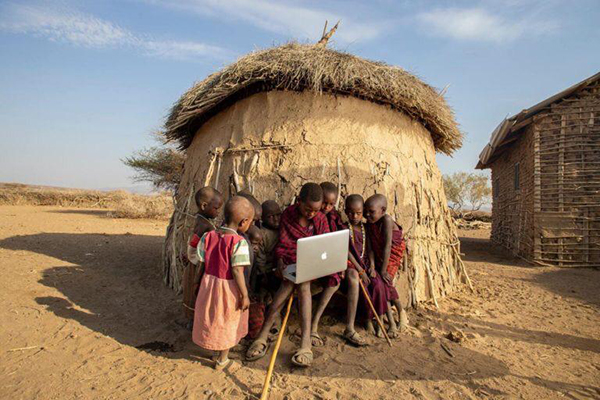
CALMs: Computer Aided Learning Management Suite by Komborero Victor Kangai and Tinotenda Chrispen Makoni, High Achievers Coach International Academy.
Founder’s Choice Prize
Tera Mira, Working with Nature to Drive Meaningful Change in Stretch Textiles by Jeanne Begon-Lours and Lucy Dain-Williams, the Imperial College London

The initiative consists in developing a bio-based, biodegradable alternative to elastane, derived from the natural stretch properties of seaweed. The solution mimics elastane’s elasticity while eliminating fossil fuel dependence, toxicity, and microplastic pollution. This solution is sustainable: produced without land or fertilizers, minimizing environmental impact; non-toxic, biodegradable: fully decomposes in natural environments, preventing waste accumulation and compatible with existing textile production processes and upcoming regulations. The team is currently developing the prototype within Imperial College’s Undaunted Greenhouse program, leveraging a £20,000 equity-free grant, lab facilities, and mentorship to refine the business model. Additionally, they are exploring stable feedstock options and are seeking partnerships with coastal communities to address challenges of invasive seaweed. Partnering with waste management stakeholders to refine biodegradability principles and prevent greenwashing.